

All right, as promised, I wanted to share one more variation of my “Lego Animals” prompt, that will help you get even more mileage out of this concept.
This one was actually a bit of a tricky balance for me. When I first started to do this variation, I just introduced the prompt as “Building Insects”.
But I actually found that this prompt was almost too limiting for my clients. It’s not that there weren’t enough options (obviously there are millions of insects to choose from) — but it’s that some kids really hate bugs and don’t want to spend an hour of their time thinking about them. I hate certain kinds of bugs, but I’m fine with others, so at first I honestly hadn’t thought about this. But then I thought about if the prompt had been “build rodents” (I hate rats) and I’d run away from that group and never come back, so I tried to put myself in their shoes.
I ended up expanding the prompt to the current title, “Under the Microscope” (which pairs well with my previous post, “Under the Sea”). And the idea is that my we’re going to build anything that’s usually super super small (bugs/insects included but not exclusively) and make them bigger via Lego.
Getting Started
Whereas the other two Lego Animal prompts tend to naturally inspire ideas without much resistance, this one tends to require a little more suggestion on my end.
Of course there are always the kids who love bugs or who want to be scientists so they love the idea of “microscopic builds”. But then there are also always kids who don’t know where to begin. So I might list off a few ideas to get them going, like:
Ants, spiders, butterflies,
Cells, DNA, germs
Superheroes like Ant Man & The Wasp
Things that “feel” small — maybe metaphors for feelings, dreams, etc.
This is usually enough to spark some inspiration, and from here on — kids usually just get building. Here’s some fun examples of what they’ve come up with:
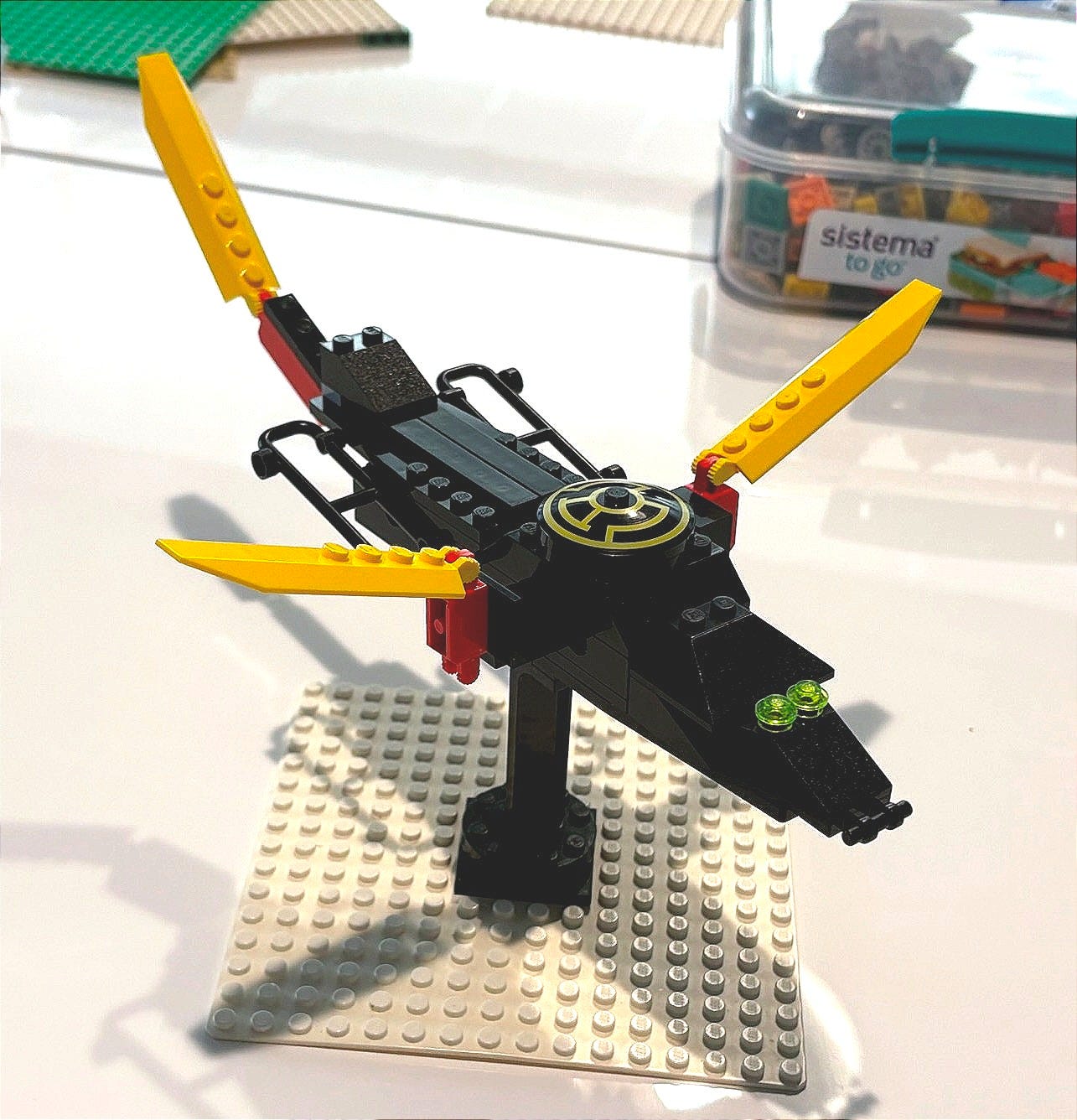
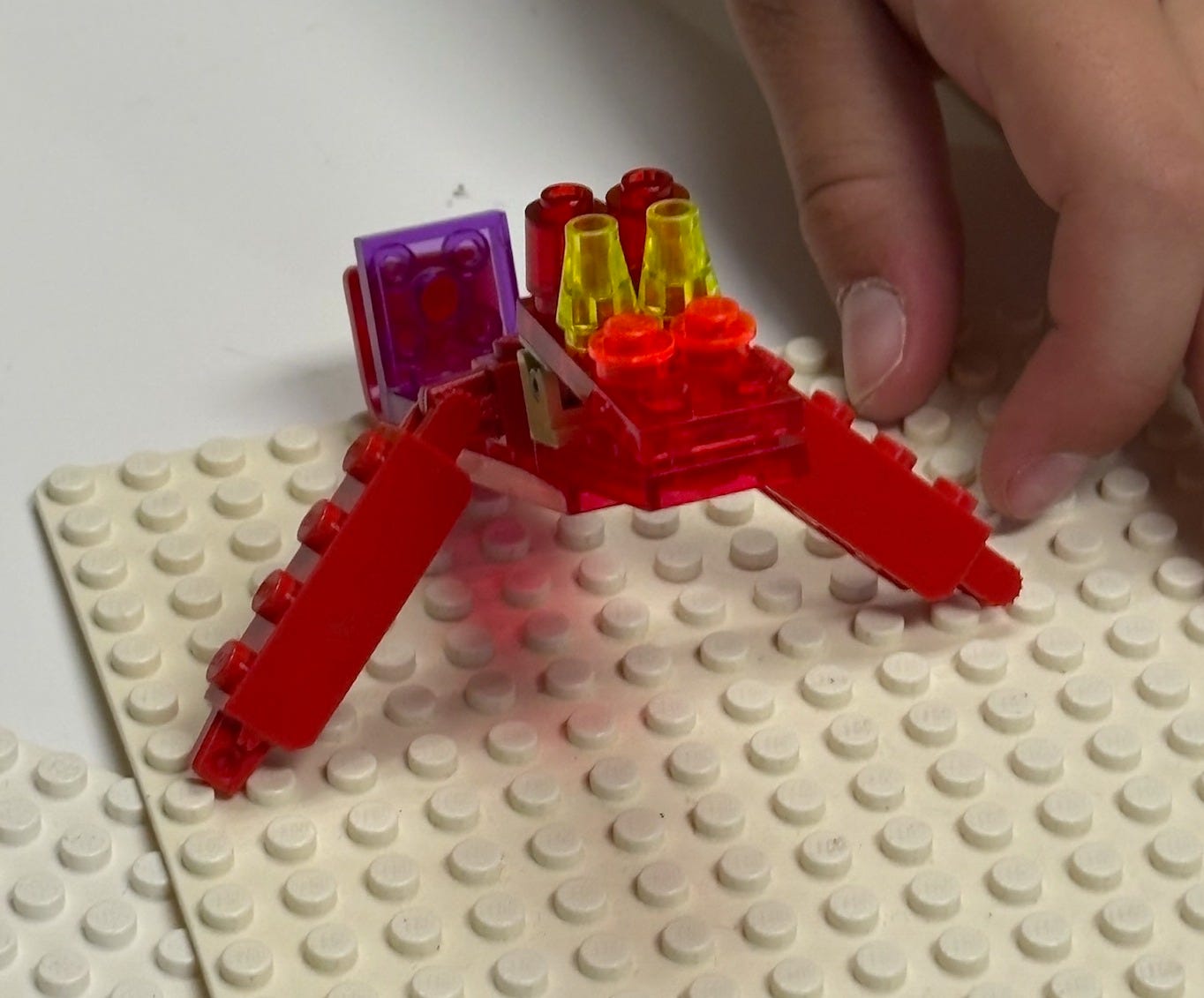
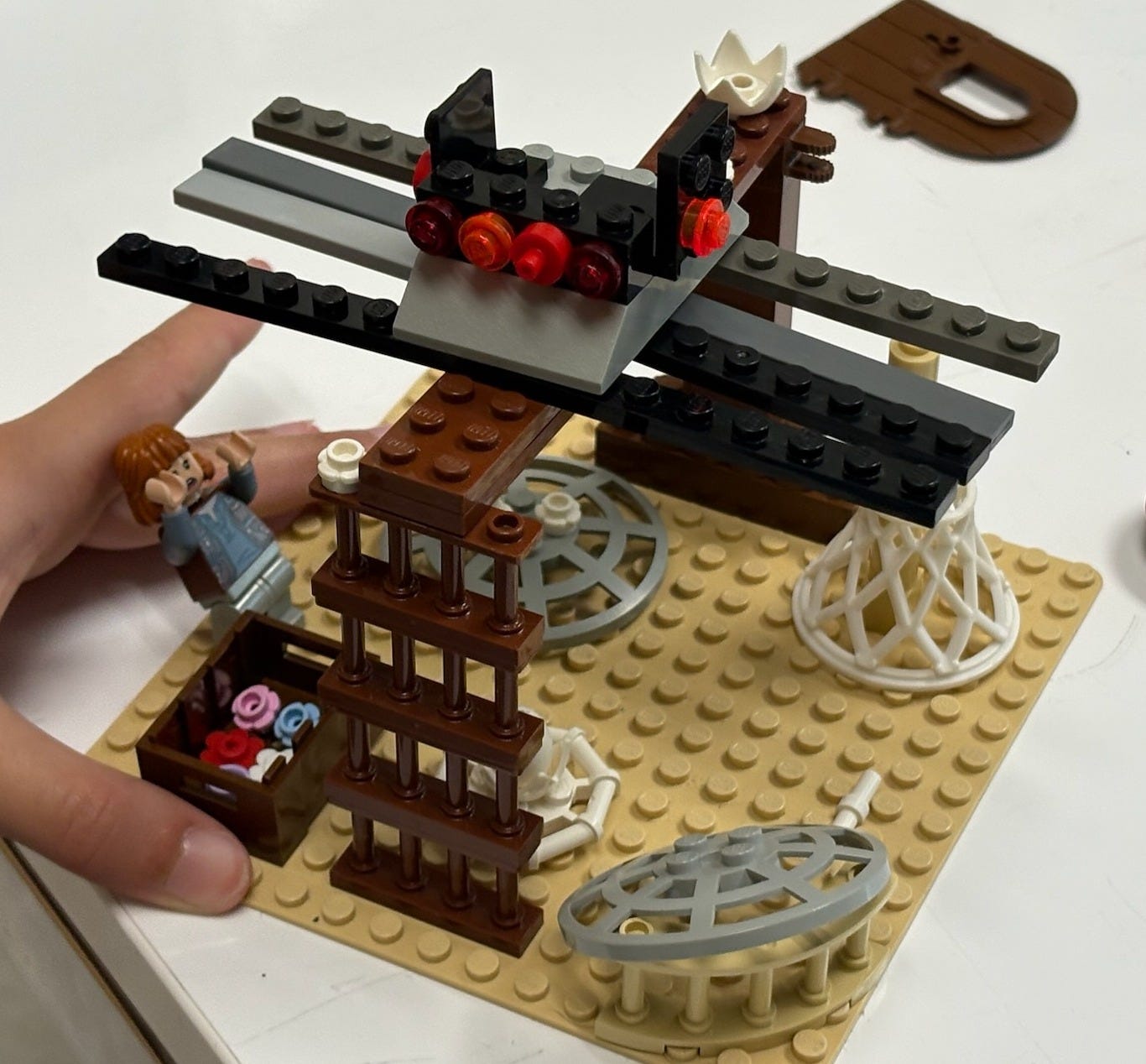
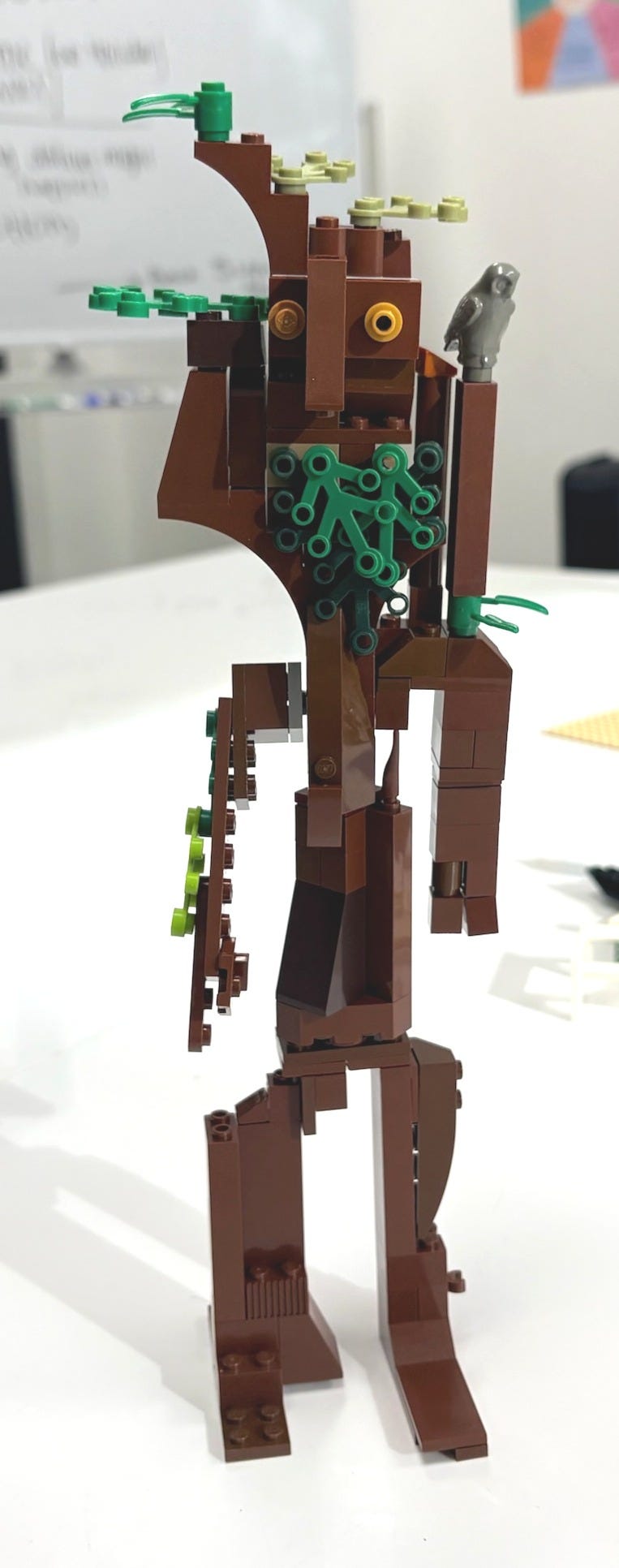
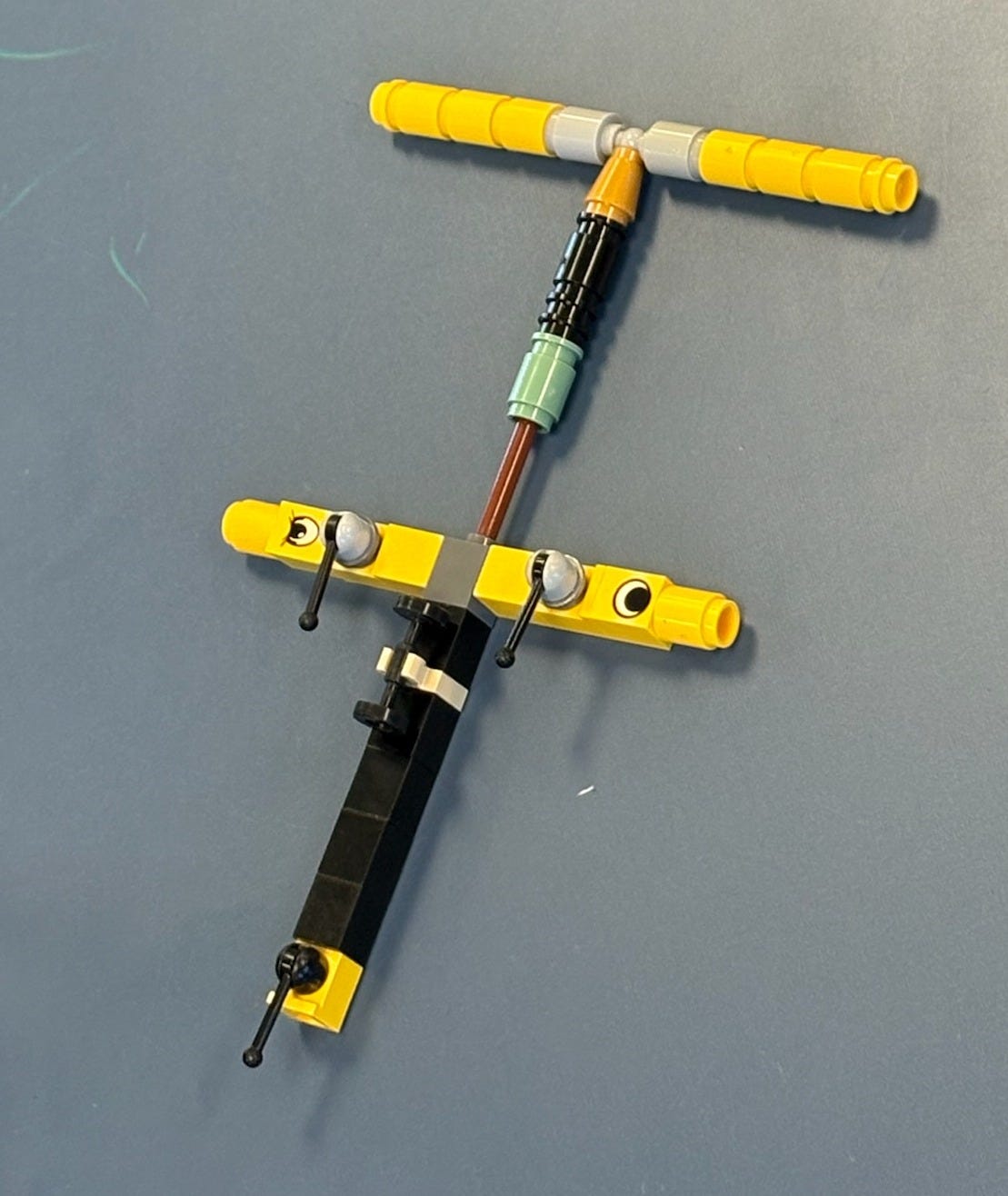
Technical Tips:
The nice thing about bugs and insects is that actually, because of their exoskeletons, they don’t require as “organic” of a look as say, the marine animals do. Picture in your mind an octopus with eight legs versus a spider with eight legs. The spider has much more angular joints than the flowy octopus tentacles, and this actually is more generally congruous with Legos.
So technically speaking, as a group facilitator, I need to worry less about helping my clients get that organic look. I still include a fair amount of slopes and curves (for the bulbous bodies of many insects, etc) but I tend to focus more on hinges, brackets, and clip/bar combos. You can see many of those at play in the example photos above.
I do however tend to load up on black bricks (for spiders, ants, etc) and when available, I’ll also load up on translucent lego bricks (for stuff like butterfly wings). But as discussed in my Stained Glass Post — these are rarer and more expensive, so I don’t always have these to spare.
Other than this, though, a generally random selection of lego bricks is usually enough to run a good “Under the Microscope” group, and there haven’t been a ton of technical challenges that have come up for me to deal with. So in that way it’s a nice, easy, prompt!
Therapeutic Benefits / Other thoughts:
Again, most of the therapeutic benefits of this prompt don’t need to be repeated from the general “Lego Animals” prompt, which you can read about here.
However, there are a few things unique to this prompt that tend to come up:
Change in perspective: Kind of like my upside-down building prompt, “Under the Microscope” forces a perspective shift. You’re making something small become big. Sometimes you’re visualizing things that you cannot see with the naked eye. For lack of a better word, I think this actually forces a type of empathy where you’re spending time thinking about, building, finding details in a world that you otherwise might totally overlook.
Small things still matter: If kids are feeling less bug-crazy and more into the emotional end of my group, this is a great thing to talk about. Sometimes the kids might “feel” small in their day-to-day lives. That’s okay, this prompt teaches that small things still matter, still deserve our attention, still deserve to have a light shined on them.
Feeling “under a microscope”: Again, this is a more metaphorical angle on this prompt, but often kids (especially teens) feel like their every move or thought is being observed and judged by their peers, parents, doctors, or both. This prompt opens the door for those types of discussions, to talk about how it feels, and process it all in a safe environment where they’re still mostly focussed on their tangible creative project.
But whether the kids enjoy this prompt literally via insects or metaphorically with some guided group discussions, I’ve fount it usually ends up being quite successful and a lot of fun. Thanks again for reading, and I’ll be back with another post within a few weeks (non-animal related this time!).